Skip to the content
Thumbstick Trail

Sheet for autumn 2026

Eight indie games, finished and ranked along one trail

Written in Britain by a handful of players who reach the credits before they reach a verdict. No adverts, no trackers, no paid placements.

A hand-drawn trail map: a red dashed path climbs from a trailhead past eight waypoints, each marked with a small picture from one of the reviewed games, to a summit 812 340 20 1 2 3 4 5 6 7 8 N

Legend

08
games finished, scored and placed
0
adverts, anywhere
0
trackers in the code
0
places on the trail bought

Free to walk. You never log in, subscribe or pay, and no studio buys its way onto the route.

Nothing to download. This site holds no game files at all. Each Official site button opens the studio or publisher behind that game.

Drawn by us. Each picture is our own illustration rather than studio art. Titles and trademarks remain their owners’.

The ranked trail

All eight were finished before anyone wrote a word. The route begins at the best score and walks downhill: the profile shows the gaps between them, and each stop below carries a full review, a fact file and an honest note on cost.

  1. Original illustration for Esoteric Ebb, drawn for Thumbstick Trail
    4.7 out of 5, Summit grade

    Stop 1 of 8

    Number 1: Esoteric Ebb

    Christoffer Bodegård for Raw Fury, 2026. Tabletop-style role-playing game told through dice and dialogue.

    4.7/5 Summit

    A cleric, a goblin and a city five days from its first vote: the funniest dice you will roll all year.

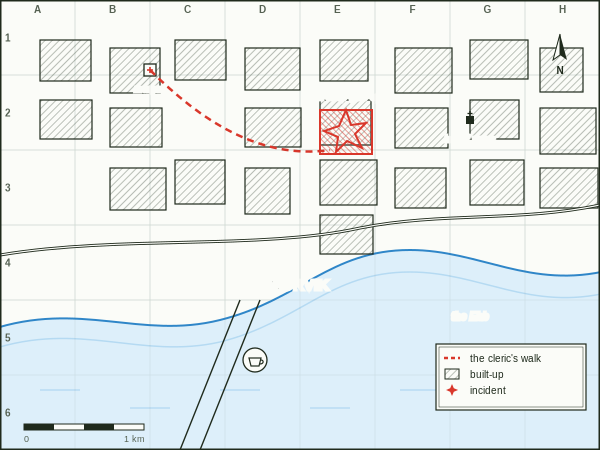
    You come round in a morgue in Norvik with river water in your boots, just after a tea shop has gone up in smoke, and the city wants its cleric to make sense of it before polling day. What follows plays like a pen-and-paper evening moved onto a screen. Your stats argue with you in the margins, every risky choice shows its roll, and a failed check usually opens a stranger, funnier scene rather than closing a door. The writing carries it: dry, specific and fond of its ridiculous world. Encounters are turn-based and short, so they never bury the talking. You will read a great deal, and the opening hours ask for patience while the politics come into focus, but few games this decade let you be this badly behaved and still feel the story bending around you.

    What you do
    Walk an isometric city, question anyone who will stand still, pass or fail stat checks in conversation, roll through turn-based scraps and decide which faction gets your help.
    Who it suits
    Readers who love talk-heavy role-playing games and anyone who has sat at a tabletop campaign. Not for players after action or a light afternoon.
    Plays on
    Steam on Windows PCs. Works with a controller, with the keyboard alone or with just a mouse.
    Session
    Solo. Wry, wordy and unhurried; best with a hot drink and an evening that has no deadline in it.
    Checkpoint
    At the end of a conversation thread, once you are back on the street. Stopping mid-dialogue means rereading context next time.
    Costs
    Buy it once and the whole campaign is yours. Steam also lists a soundtrack and a pack of digital extras, neither needed. Nothing is sold inside the game, random or otherwise.
    Age
    Fantasy scraps, drinking and a lot of swearing. Teenagers and up, in our view; the PEGI label on your store page has the final word.
    Official site for Esoteric Ebb (opens in a new tab)

  2. Original illustration for NORCO, drawn for Thumbstick Trail
    4.5 out of 5, Summit grade

    Stop 2 of 8

    Number 2: NORCO

    Geography of Robots for Raw Fury, 2022. Point-and-click story adventure in a strange South Louisiana.

    4.5/5 Summit

    A missing brother, a runaway android and a refinery town that feels both familiar and wrong.

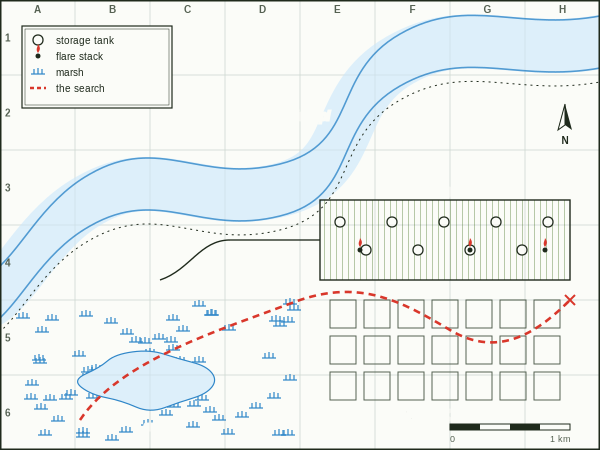
    You return to the suburbs outside New Orleans after your mother has died, and your brother Blake is gone. The search takes you behind a fugitive security robot, through strip malls, flood ditches and the flare stacks of the refineries that loom over everything. There is very little puzzle-solving; this is an adventure built on conversation and place, and the place is the star. The pixel art is painterly and heavy with humidity, the sound design leans on field recordings, and the writing treats faith, money and industry with more nuance than most novels. It runs to a few long evenings. Some stretches are deliberately oblique, and players who need clear goals may drift, but nothing else on this trail stayed with us as long after the credits.

    What you do
    Explore small scenes by pointing and clicking, choose what to say, follow leads across a sinking stretch of Louisiana and piece together a family story.
    Who it suits
    Adults who read literary fiction or enjoy slow, unsettling stories. A poor fit for anyone who wants combat, puzzles or a quick laugh.
    Plays on
    Windows and macOS via Steam and GOG, Windows via the Epic Games Store, plus Xbox. A controller works fine on computers.
    Session
    Solo. Melancholy, humid and quiet; play it with the lights low and leave time to think afterwards.
    Checkpoint
    When a chapter title card appears. Each one marks a clean change of place and a natural breath.
    Costs
    A single payment covers everything. Fans can add the score and a digital art book on Steam. Nothing is sold in-game.
    Age
    Grief, suicide, drugs and strong language run through it. An adult story; pegi.info lists the official label.

    Official site for NORCO (opens in a new tab)

  3. Original illustration for Kathy Rain 2: Soothsayer, drawn for Thumbstick Trail
    4.3 out of 5, Ridge grade

    Stop 3 of 8

    Number 3: Kathy Rain 2: Soothsayer

    Clifftop Games for Raw Fury, 2025. Point-and-click detective thriller set in 1998.

    4.3/5 Ridge

    A broke private eye chases a cash reward across a whole city, and the legwork is the pleasure.

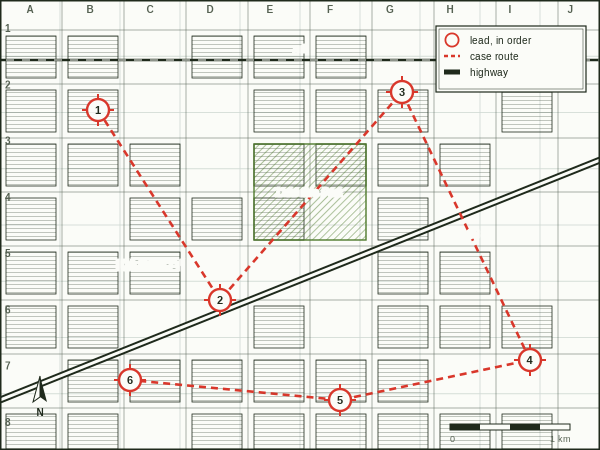
    It is 1998 in the city of Kassidy. Kathy is behind on rent, her car is nearly dry and the reward for catching a serial killer called the Soothsayer is the only way out. The game turns that money worry into structure: every trip across town costs time, every lead sends you to a new address, and the map fills up with places you come to know properly, from bars to back offices. Interviews are sharp, Kathy is as rude as ever, and the pixel art does a lot with rain and sodium streetlight. The mystery is grim, so the jokes are welcome. A couple of late puzzles lean on adventure-game logic rather than detective sense, and we reached for a notebook more than once, but this is a confident, well-paced case.

    What you do
    Travel between locations on a city map, interview witnesses, combine items and evidence, and work out where the next lead points.
    Who it suits
    Fans of classic point-and-click games and crime fiction. Newcomers to the genre will cope, though a couple of puzzles are stubborn.
    Plays on
    Steam on Windows, macOS and Linux.
    Session
    Solo. Tense and wisecracking in turns; good for two-hour evening sittings.
    Checkpoint
    Whenever you return to the city map with no conversation open. Write down your current lead so tomorrow starts quickly.
    Costs
    Pay once. Its music is available as a separate soundtrack if you want it. Nothing to buy once you are playing.
    Age
    Serial murders, drug references, frightening scenes and swearing. Older teens at the youngest; read the PEGI descriptors first.

    Official site for Kathy Rain 2: Soothsayer (opens in a new tab)

  4. Original illustration for SKALD: Against the Black Priory, drawn for Thumbstick Trail
    4.1 out of 5, Ridge grade

    Stop 4 of 8

    Number 4: SKALD: Against the Black Priory

    High North Studios for Raw Fury, 2024. Retro party role-playing game with turn-based battles.

    4.1/5 Ridge

    Eight-bit pixels, grim northern weather and the best prose of any old-style role-playing game we have played lately.

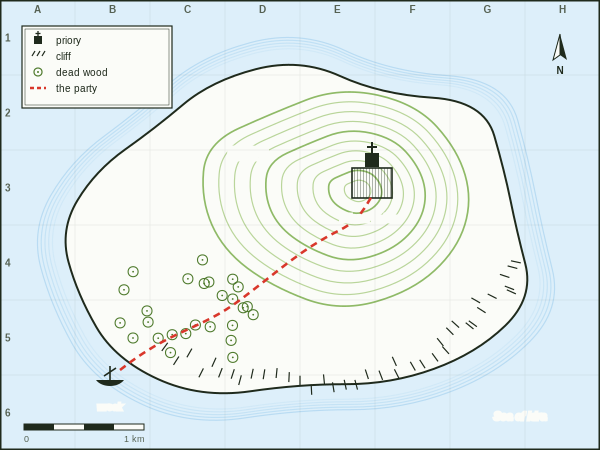
    You crawl out of the surf onto the island of Idra among drowned sailors and set off toward a priory that nobody sensible approaches. SKALD looks like a home-computer game from decades ago, and that restraint works: the tiny sprites leave room for paragraphs of genuinely good descriptive writing that do the heavy lifting. You gather a party of damaged mercenaries, make choices that shift who survives, and fight on small grids where positioning and dice both matter. The tone is bleak and the horror creeps rather than shouts. Inventory juggling becomes a chore in the middle stretch and a few fights feel padded, which kept it off the Summit, but the story pulled us through to the end.

    What you do
    Explore an island and its dungeons from above, read and answer narrated scenes, level a party, manage gear and fight turn-based battles on a grid.
    Who it suits
    People who grew up on old computer role-playing games, and readers who like their fantasy dark. Not for anyone who dislikes reading or menus.
    Plays on
    Windows and macOS, sold on both Steam and GOG.
    Session
    Solo. Gloomy and absorbing; long sittings come easily, so set a stopping time before you start.
    Checkpoint
    After you leave a dungeon floor and before you rest. Resting first means coming back to a healed party.
    Costs
    One price for the full adventure. A Reinforcement Pack and two soundtracks cost extra and are entirely optional, while the modding toolkit is free. No microtransactions.
    Age
    Gore, cosmic horror and sexual references. Not one for children; confirm the official PEGI label before buying.

    Official site for SKALD: Against the Black Priory (opens in a new tab)

  5. Original illustration for Moonstone Island, drawn for Thumbstick Trail
    3.9 out of 5, Valley grade

    Stop 5 of 8

    Number 5: Moonstone Island

    Studio Supersoft for Raw Fury, 2023. Farming and friendship among a hundred floating islands.

    3.9/5 Valley

    A hundred small islands floating in the sky, and the urge to see one more before bed.

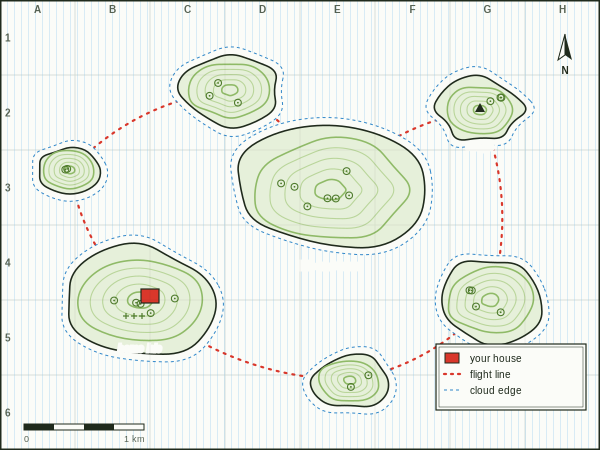
    You leave home to finish your alchemy training somewhere above the clouds, where a scattered chain of islands waits to be crossed by air. Exploring that sky is the best part. Each island has its own weather, plants and stray spirits, and the procedurally built archipelago means the next horizon always has something on it. Back at your chosen island you grow crops, brew potions and slowly turn strangers into friends or a spouse. Encounters use small decks of spirit cards and are friendly rather than taxing. The catch is pace: the days are short, the jobs pile up, and the loop of just one more trip quietly eats evenings. Systems are many but shallow, and the middle hours repeat, so it lands in the Valley for us.

    What you do
    Fly between islands, gather and farm, brew potions, befriend villagers, tame spirits and play short card-based encounters.
    Who it suits
    Anyone who enjoys farming and village games and wants more exploration in them. Younger players manage it well.
    Plays on
    Nintendo Switch, and Steam on Windows, macOS and Linux.
    Session
    Solo. Gentle and pottering; perfect for short sittings, dangerous for long ones.
    Checkpoint
    When your character goes to bed at the end of an in-game day. Decide in advance how many days you will play.
    Costs
    The base game is one payment. Around eight small cosmetic packs add furniture, outfits and decorations, and there is a soundtrack and art book. Every extra is a fixed item, never a lucky dip.
    Age
    Gentle creature battles and villager romance. Fine for most primary-age players; the PEGI label on the Switch or Steam page confirms it.

    Official site for Moonstone Island (opens in a new tab)

  6. Original illustration for American Arcadia, drawn for Thumbstick Trail
    3.8 out of 5, Valley grade

    Stop 6 of 8

    Number 6: American Arcadia

    Out of the Blue Games for Raw Fury, 2023. Side-on platforming and first-person puzzles in a 1970s TV city.

    3.8/5 Valley

    An office clerk runs for his life through the set of the world’s most popular reality show.

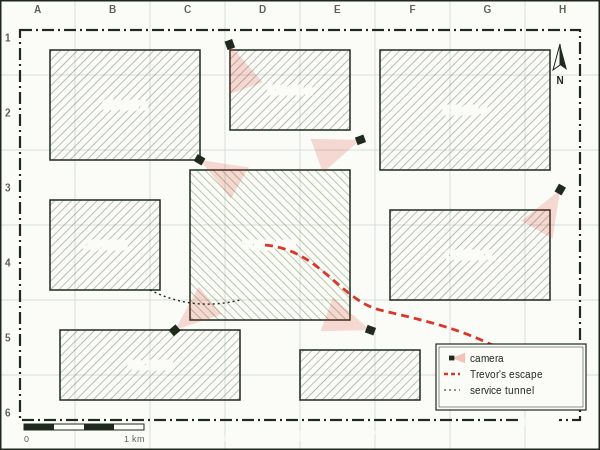
    Every citizen of Arcadia is filmed around the clock without knowing it, and when ratings drop, so does the contestant. Trevor Hills is dull, which makes him a target. Angela Solano, a technician behind the scenes, decides to get him out. The game swaps between his side-scrolling flight through gleaming seventies sets and her first-person sections, where you tamper with the studio to clear his path. The look is a treat, all mustard, chrome and wood panelling, and the satire of television has teeth. Puzzles are clever more often than not. Several chase scenes rely on trial and error, which wears thin, and the second half is less inventive than the first, but it is a short, stylish ride.

    What you do
    Run, jump and hide as Trevor in side-on chase scenes, then switch to Angela to solve first-person puzzles that change the set around him.
    Who it suits
    Players who like story-led puzzle platformers and a bit of satire. Fine for older children who can handle peril.
    Plays on
    Steam on Windows, pad or keyboard. Raw Fury’s page lists any further formats.
    Session
    Solo. Bright, tense and wry; a couple of evenings will see it through.
    Checkpoint
    At each switch between Trevor and Angela. Those changes come with a natural pause in the action.
    Costs
    A single purchase. Its music and an art book are optional add-ons for collectors. You will never be asked to pay mid-game.
    Age
    Peril, deaths shown in a cartoonish way and grown-up jokes. Around twelve and up feels right to us; PEGI decides officially.

    Official site for American Arcadia (opens in a new tab)

  7. Original illustration for Zet Zillions, drawn for Thumbstick Trail
    3.6 out of 5, Valley grade

    Stop 7 of 8

    Number 7: Zet Zillions

    OTA IMON Studios for Raw Fury, 2024. Roguelike deckbuilder and loud space opera.

    3.6/5 Valley

    Fuse cards, throw your crew at a planet and watch it burst: crude, quick and good fun in short bursts.

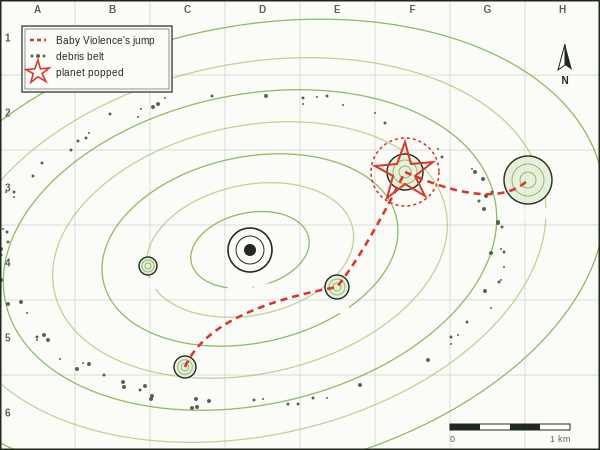
    Foam Gun and her living planet-ship, Baby Violence, are looking for a new home for humanity, and the way there runs through every planet that objects. Fights are card battles with a twist: you can fuse cards together, and more than a hundred combinations wait to be found, some brilliant and some useless by design. Overload a planet with your own crew and it explodes, which never stops being funny. Runs move across branching space maps, so each attempt takes a different route. The art and jokes are cheerfully loud. Underneath, the strategy is thinner than in the best of the genre and later runs start to blur together, but for twenty-minute bursts between other things it does exactly what it promises.

    What you do
    Plot a route across a space map, fight planets with a deck of cards, fuse cards into new ones and upgrade between battles.
    Who it suits
    Deckbuilder fans who like a quick run and do not mind toilet humour. A gentle way into the genre for newcomers.
    Plays on
    Windows PCs, via Steam.
    Session
    Solo. Noisy, fast and silly; ideal in short bursts.
    Checkpoint
    On the space map after a battle. Finishing a full run in one sitting is rarely necessary.
    Costs
    You buy it once; every card is earned by playing. The only add-on is its soundtrack. Card packs are never sold for money.
    Age
    Exploding planets and toilet humour, all cartoonish. Most children of secondary age will be fine; check the official PEGI label to be sure.

    Official site for Zet Zillions (opens in a new tab)

  8. Original illustration for Dream Cycle, drawn for Thumbstick Trail
    3.2 out of 5, Lowland grade

    Stop 8 of 8

    Number 8: Dream Cycle

    Cathuria Games for Raw Fury, 2022. Procedural action adventure in Lovecraft’s Dreamlands.

    3.2/5 Lowland

    A sorceress walks a shifting dream world built from Lovecraft; the scenery outshines the fighting.

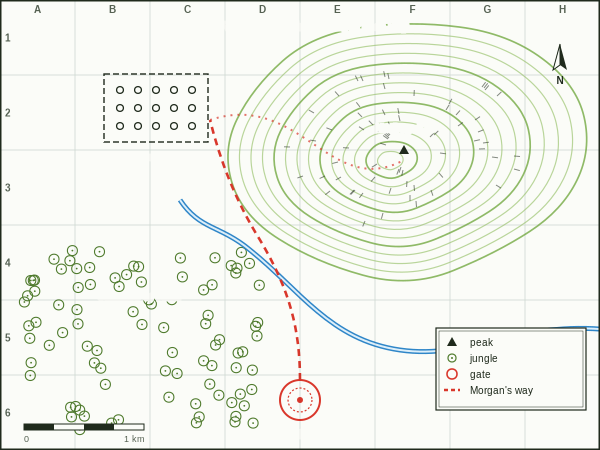
    Designed by Toby Gard, best known for creating Lara Croft, Dream Cycle sends modern arcanist Morgan Carter into the Dreamlands to free souls trapped there. The world reshapes itself every visit, stitching together jungles, ivory palaces and stony peaks lifted from the old stories, and the best of those places look striking. You mix firearms, blades and a grimoire of spells, and building a style around them is satisfying for a while. The trouble is underfoot: combat feels loose, enemies repeat, and procedural levels lose their sense of place once you have seen their parts a few times. It is voice-acted and has a fine score, and the ambition is real, but the walk is uneven.

    What you do
    Explore generated dream levels in third person, fight monsters with weapons and spells, collect lore and spend upgrades on new abilities.
    Who it suits
    Lovecraft readers and players curious about a veteran designer’s experiment. Anyone wanting tight action should look elsewhere.
    Plays on
    Windows through Steam; best with a gamepad.
    Session
    Solo. Eerie and restless; better in single dreams than long marathons.
    Checkpoint
    When you leave a dream and return to the waking hub. That is the one place the game feels settled.
    Costs
    One payment and that is all: no add-ons exist and nothing is sold in-game.
    Age
    Monsters, gunfire and swearing in a horror setting. Adults and older teens; the PEGI database gives the official answer.

    Official site for Dream Cycle (opens in a new tab)

Your week, mapped out

Hill walkers fill in a route card before they leave; this is the same idea for a week of play. Set a total, mark the days and cap the longest sitting. The card shares the hours out, leaves two or more days clear, drops a rest between sittings and tells you when to switch off before bed. A monthly spending limit is optional. Whatever you type stays in this tab.

Each band on the bar is five hours.

Days with games (up to five; two stay clear)

Longest single sitting

Games this week

Route card

Your week of play, day by day
DayLegsStart byScreens off

Worked out in your browser and forgotten when you close the page.

Eight rules for playing well

Our own trail code, kept on a card by the door. Play fits best around rest, work, lessons and the household.

Time

Fix the total for the week on Sunday. Decisions made at eleven at night, mid-level, rarely end well. Each review here names a Checkpoint where a sitting can close cleanly.

Breaks

Every sixty minutes, get on your feet, loosen your neck and look out of a window for a minute. The route card leaves a gap between sittings for exactly that.

Sleep

Allow a screen-free hour before bed. Adrenaline from a final boss lingers well after the television goes dark.

Money

Agree a figure per month, and make every console or store ask permission before a purchase, especially on a child’s profile.

Random items

Loot boxes and paid card packs are a lucky dip: the money buys odds, not a prize. Our Costs lines flag them, and we would keep under-18s well away.

Age labels

The PEGI number (3, 7, 12, 16 or 18) and the little descriptor icons beside it are the official steer. pegi.info has every title.

Online

Chat only with friends from outside the game. Practise muting, blocking and reporting while nothing is wrong, so it is second nature when something is.

Mood

Games should leave you lighter. Feeling wound up, flat or hooked is the signal for a long pause and a conversation with someone you trust.

Read the full field guide to playing well

How we rank

Four marks feed every score: Footing, Terrain, Views and Fair going, each out of five. We blend them by fixed weights, round to a tenth and line the trail up by the result. That number also decides the grade.

The four tiers

  1. Lowland below 3.5 A finished game with a real idea in it, held back by problems we could not ignore. Dream Cycle
  2. Valley 3.5 to 3.9 Good company for the right player. Read the Who it suits line before buying. Moonstone Island, American Arcadia, Zet Zillions
  3. Ridge 4.0 to 4.4 Strong and well made, with one or two stretches that drag or a narrower audience. Kathy Rain 2: Soothsayer, SKALD: Against the Black Priory
  4. Summit 4.5 to 5.0 Worth clearing a weekend for. We would hand it to almost anyone who likes the genre. Esoteric Ebb, NORCO

Three promises

Credits before comments. A review starts only after its writer has seen the ending, or logged thirty-plus hours over several weeks where no ending exists.

Nobody buys a stop. Studios, publishers and agencies cannot purchase, borrow or lobby for a position, and coverage is never for sale.

Hours and pounds on the record. Each stop says how long an evening with it runs, where to break off and every extra charge after the price.

The full method, step by step

Readers ask

The questions our postbag brings most often, indexed like a map gazetteer.

Is anything for sale on Thumbstick Trail?

No. There is no shop, membership or checkout anywhere on Thumbstick Trail, and we never take money from readers. When you want a game, its Official site button sends you to the studio or publisher, who sets the price.

Has any studio paid for its place on the trail?

No. Order comes from our scores alone. We refuse sponsorship, affiliate deals, advertising and paid placements, and decline any offer with strings attached.

Did a studio supply the cover pictures?

No. Every tile was drawn for this site in the mood of its game; no studio artwork, logo or screenshot appears anywhere.

What goes into the Costs line?

Every route by which a game can take your money: the price itself, DLC and expansions, season passes, in-game purchases and any paid random items. When it says pay once, the full game is in the box.

How is a one-off purchase different from free to play?

Pay once, own it all: that is a one-off purchase. Free-to-play titles cost nothing to download but are funded by in-game purchases, so the bill depends on how you play. Every stop on this season’s trail is a one-off purchase.

Loot boxes and other in-game purchases, explained

Outfits, coins, extra levels: whatever a game sells for real money after you have started playing is an in-game purchase. Loot boxes and card packs are the random kind, where you pay for a roll of the dice rather than a known item. We advise families to switch them off.

Will I need a paid subscription to play online?

On PlayStation, Xbox and Switch, online multiplayer normally sits behind a paid subscription; PC stores rarely charge for it. Our eight are all single-player, so no subscription is involved.

How does a PEGI age rating work?

PEGI labels every game sold in the UK and much of Europe with an age of 3, 7, 12, 16 or 18, plus icons for things like violence, fear or bad language. The label appears on PC, Nintendo Switch, PlayStation and Xbox store pages, and pegi.info has a full search.

Why does every review have a Checkpoint line?

Stopping is easiest when you know in advance where it will happen. The line names a moment in that particular game, such as a chapter card or an in-game bedtime, where putting it down costs you nothing.

Does the weekly planner keep my answers?

No. It runs in this browser tab only, saves nothing and forgets the lot on reload. We never see it.

Which of these games can children play?

Moonstone Island and Zet Zillions are the friendliest for younger players. NORCO, SKALD and Kathy Rain 2 are firmly adult. The Age line in each review explains why, and the PEGI label is the official word.

Why stop at eight games?

Finishing takes time. Eight is what our small team can play to the end in a season while still writing honestly, and a short list of good games is more useful than a long padded one.

One game. A budget for the week. Home on time.

Pick one stop, give it a set number of hours on the route card and close each evening at its checkpoint.